Long before Christianity could be practised openly, believers spoke to one another in symbols. A simple drawing scratched on a wall, a shape pressed into a ring, an emblem carved on a tomb — each could carry the whole of the faith to those who knew how to read it, while remaining hidden from those who did not. Many of those symbols are still in use today, and each opens a window onto what Christians believe.
The enduring symbols
The symbols below are among the oldest and most widely recognised in the Christian tradition.
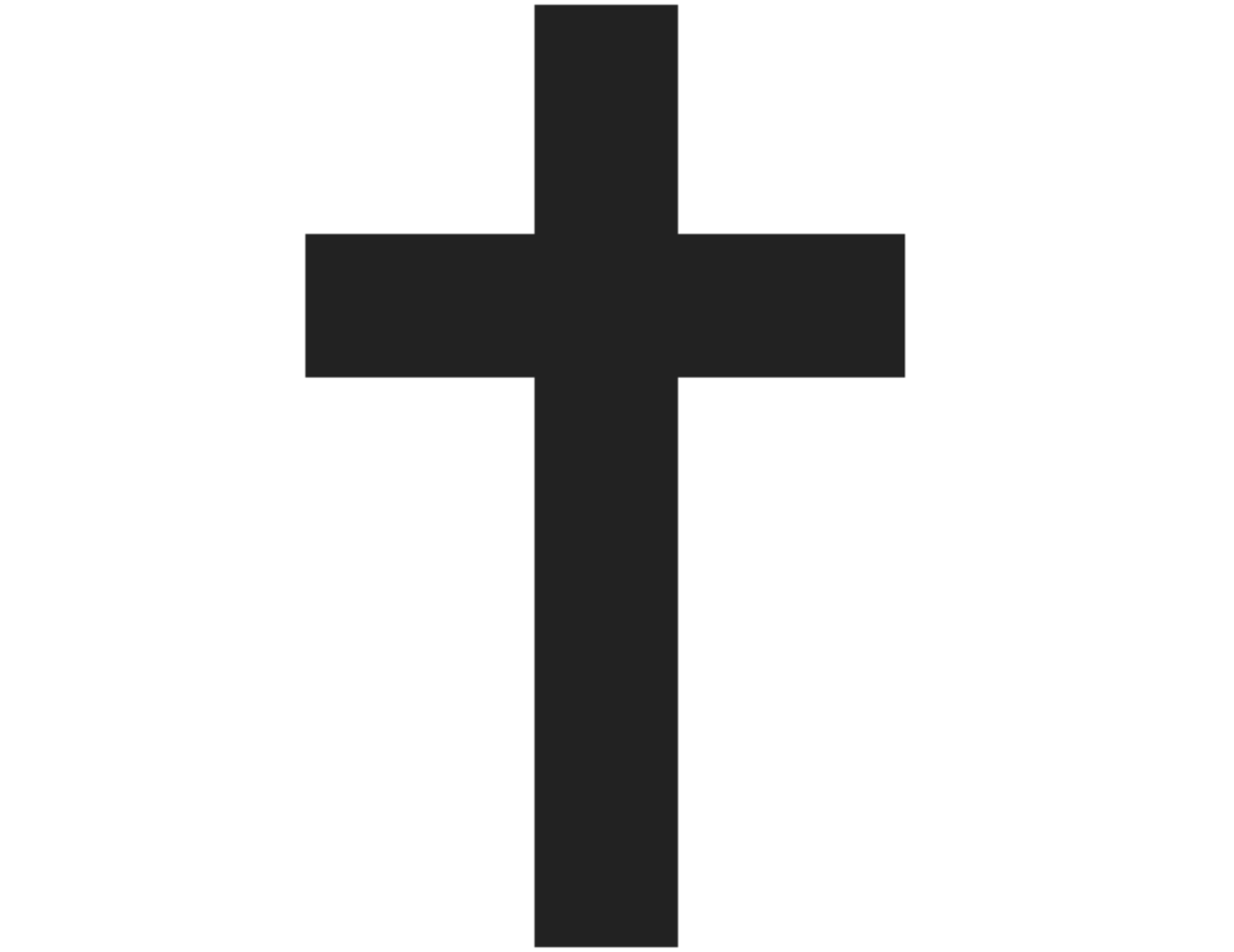
The Latin Cross
The most recognised symbol of the faith, recalling at once the crucifixion of Christ and his resurrection. The plain Latin cross is its simplest and most common form.
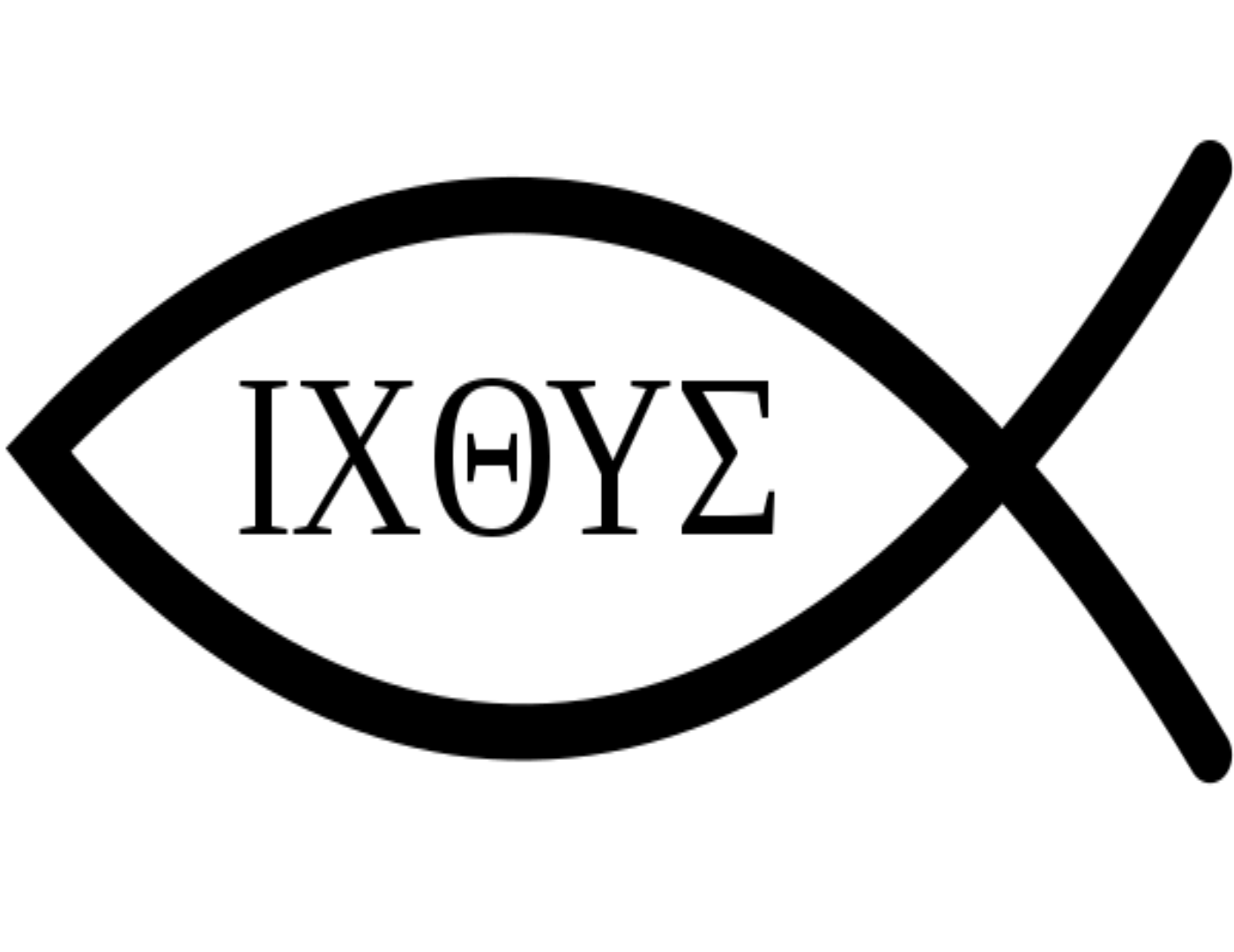
The Ichthus
The fish. Its Greek name, ichthys, forms an acrostic — Jesus Christ, Son of God, Saviour — and served as a secret sign among the persecuted early church.
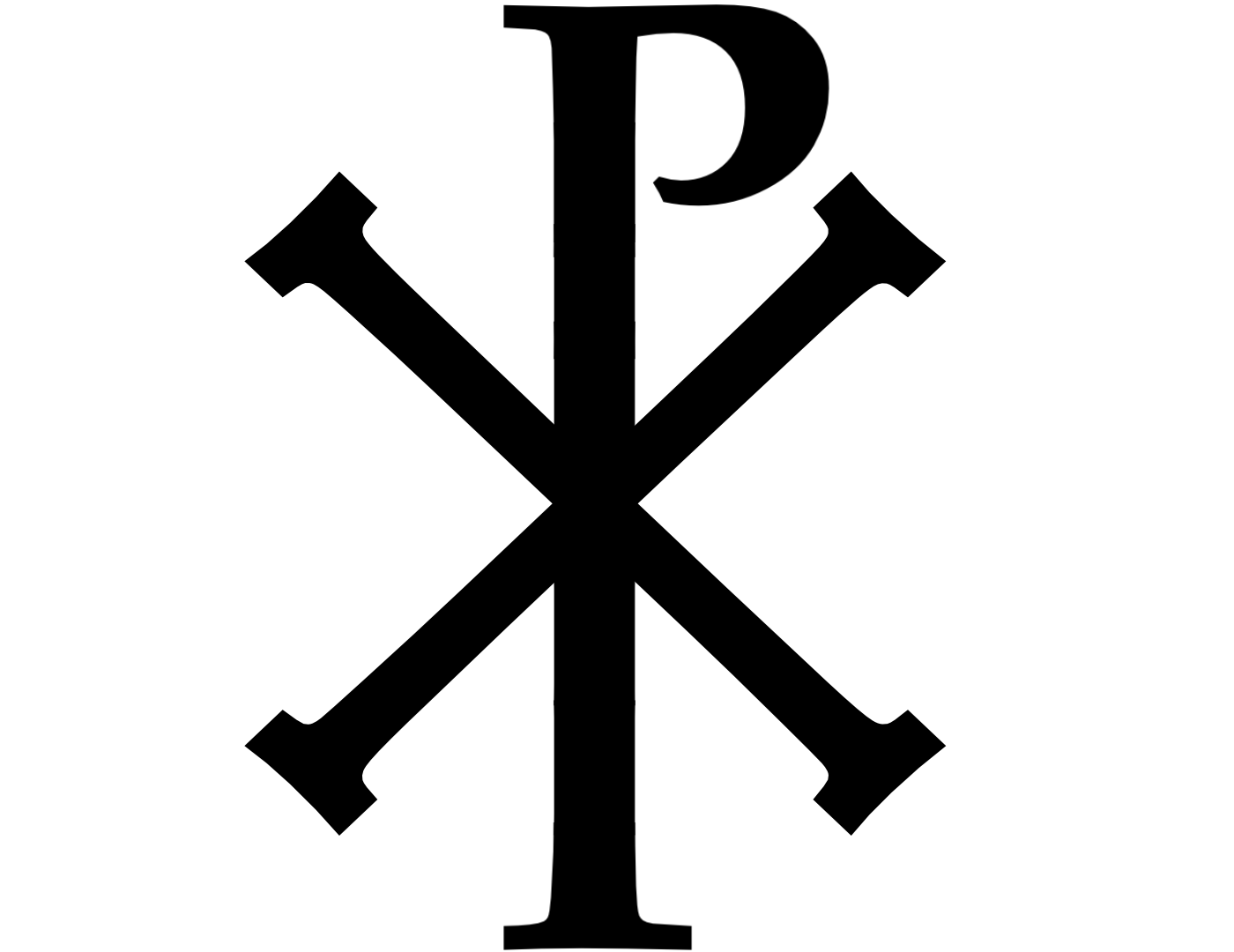
The Chi-Rho
One of the oldest Christian symbols: the first two letters of Christos in Greek, X (chi) and P (rho), drawn one upon the other.
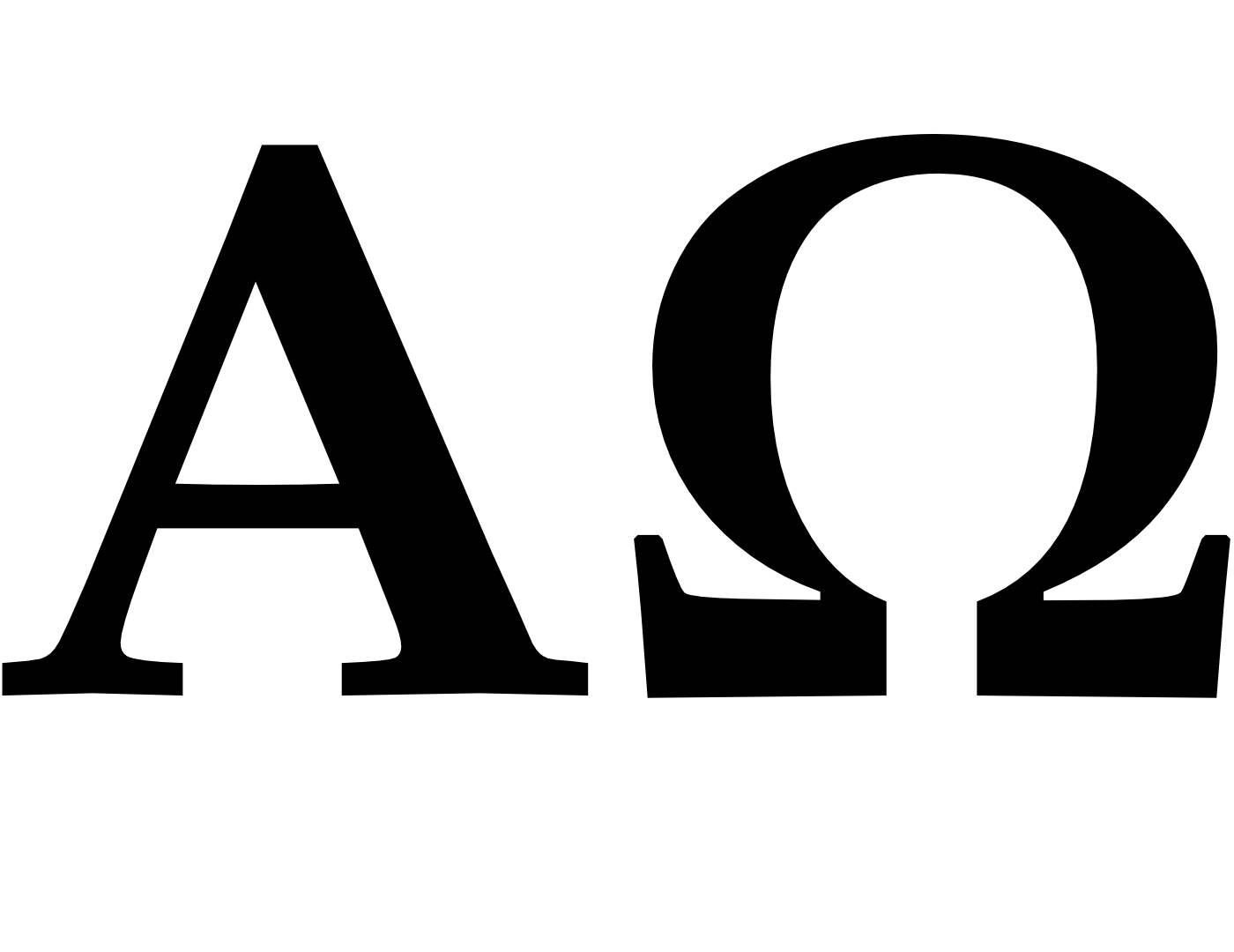
Alpha and Omega
The first and last letters of the Greek alphabet. They confess that God is without beginning or end: “I am Alpha and Omega” (Revelation 21:6).
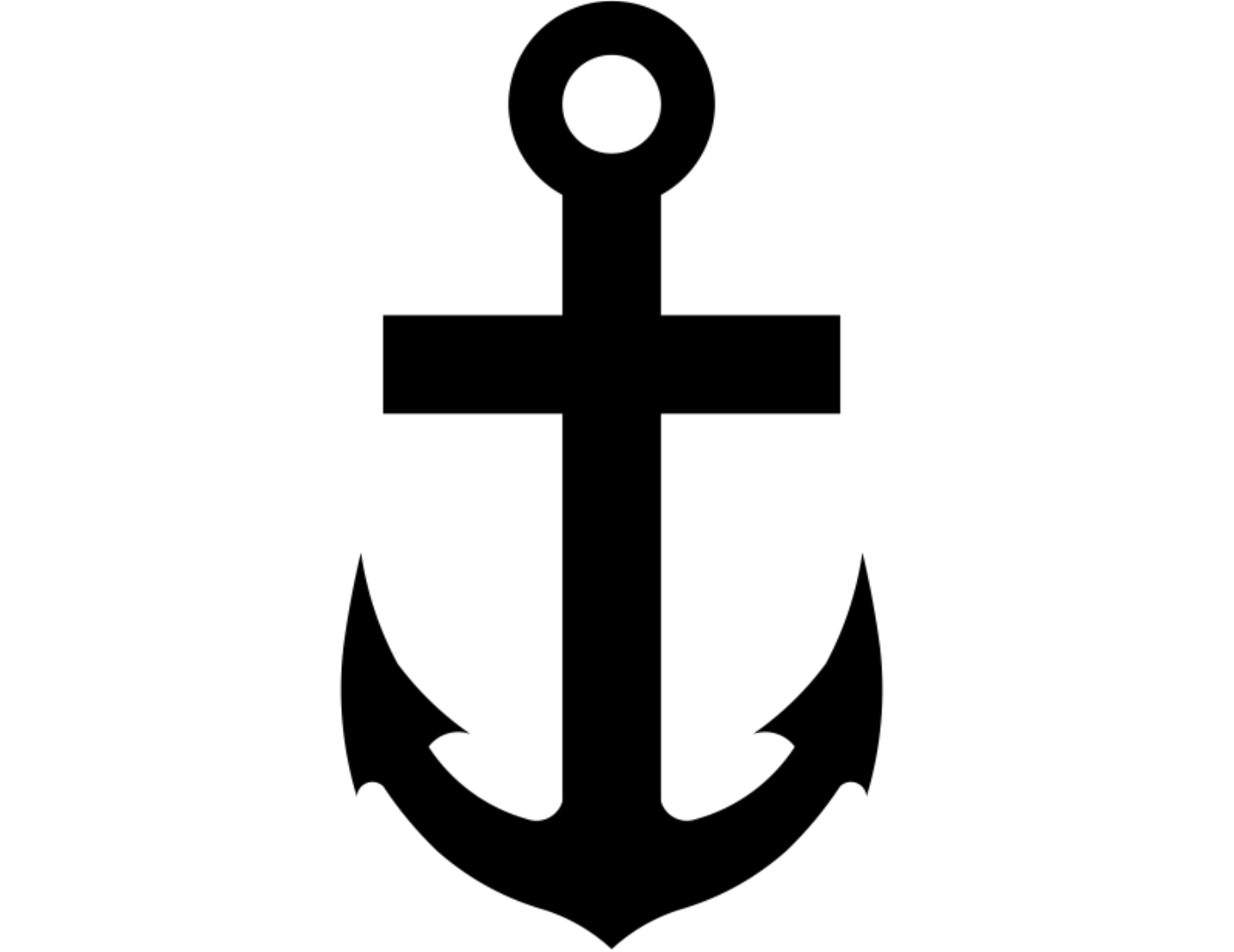
The Anchor
A sign of steadfast hope, born in the years of Roman persecution and carved throughout the catacombs. Scripture calls hope an anchor of the soul, “sure and stedfast.”
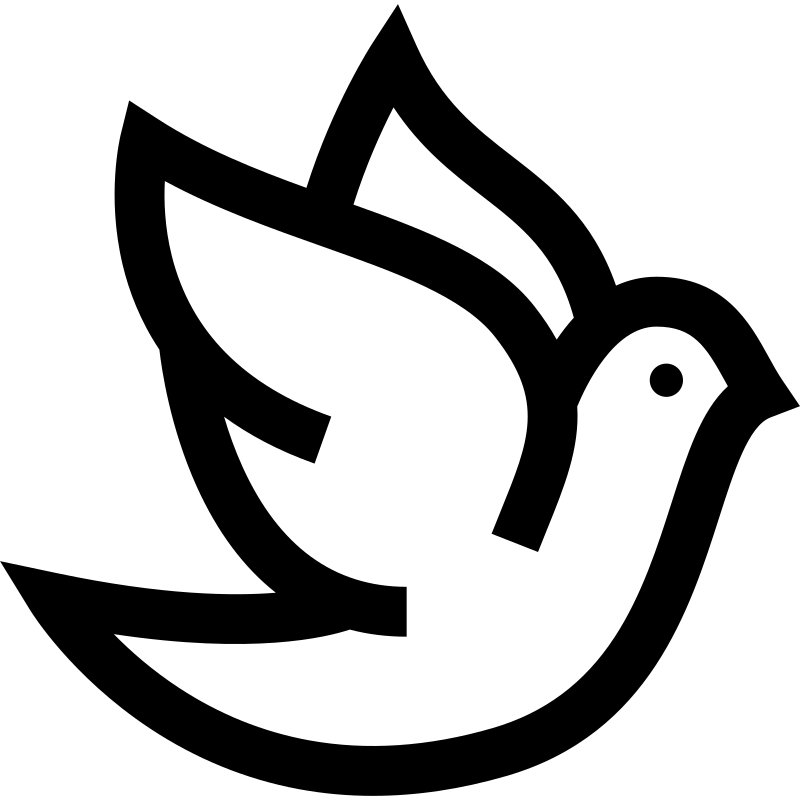
The Dove
A universal sign of peace, often shown with an olive branch. The dove returns to Noah’s ark, and descends upon Jesus at his baptism as the sign of the Holy Spirit.
The IH Monogram
A monogram formed from the first two letters of the name of Jesus in Greek, iota and eta.
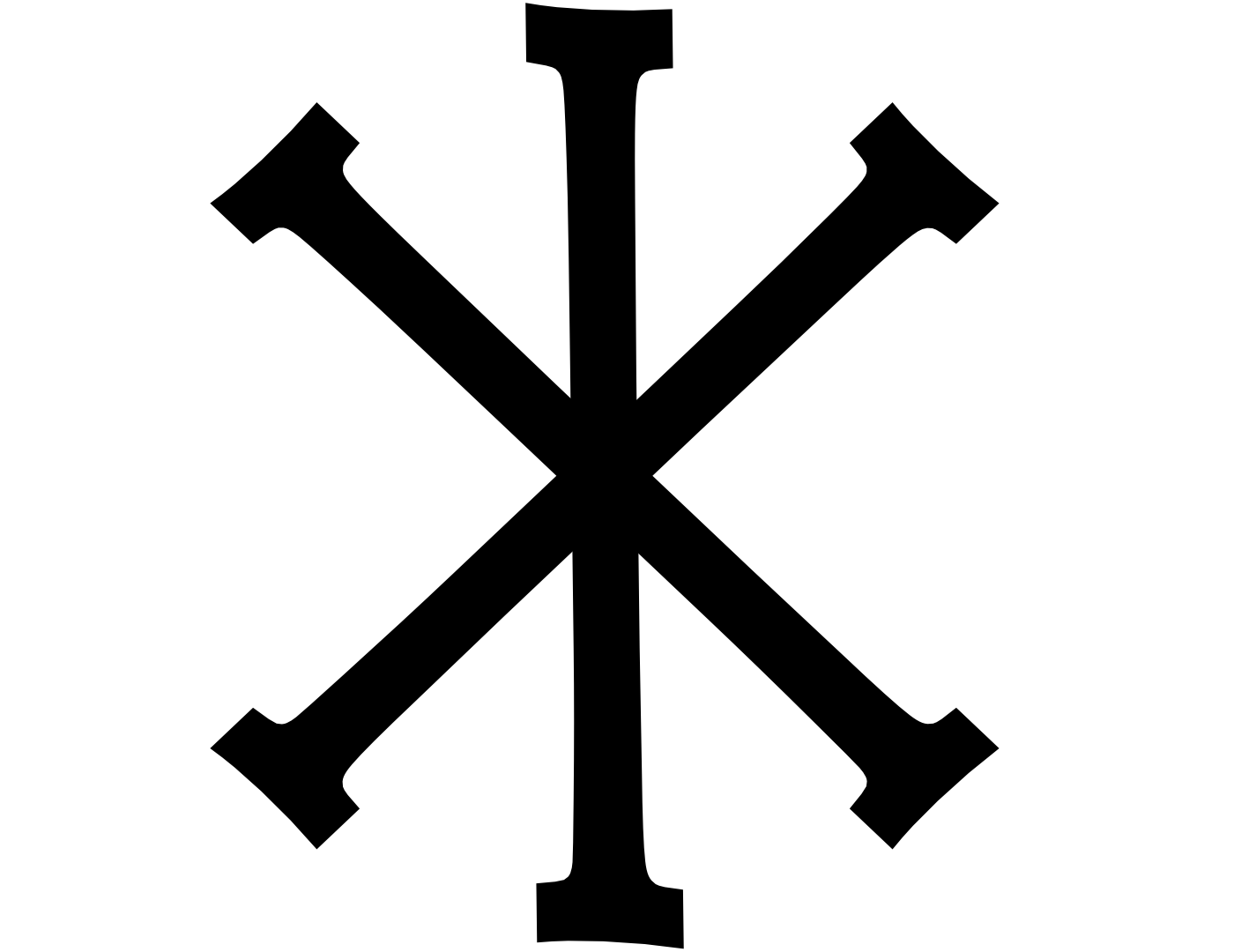
The IX Monogram
A monogram of the first letters of “Jesus Christ” in Greek — iota and chi — sometimes drawn as a six-pointed star.
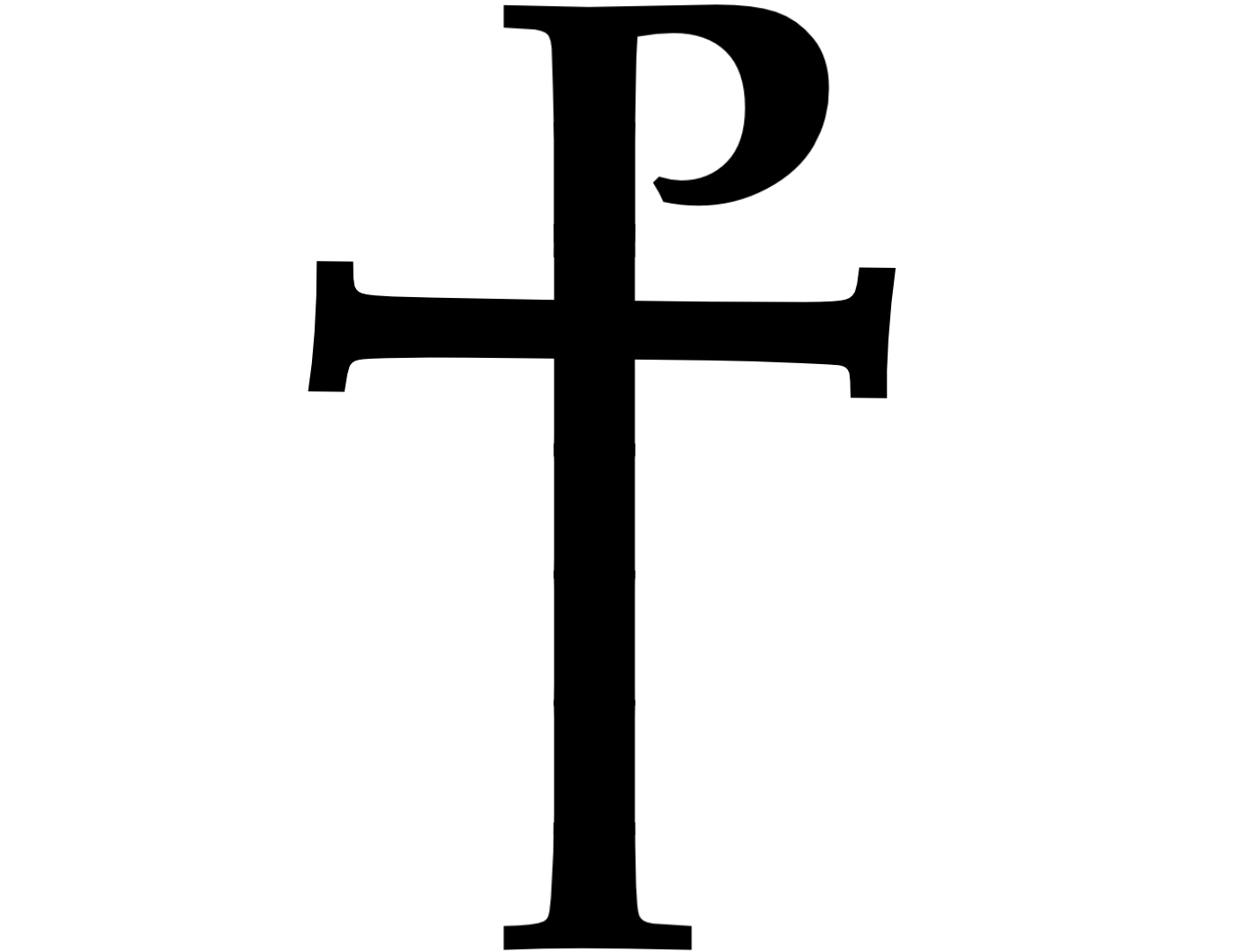
The Tau-Rho
Also called the staurogram. The Greek letters T (tau) and P (rho) combined — an early shorthand that pictures the figure of Christ upon the cross.
The Good Shepherd
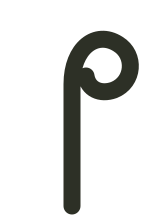
Christ pictured as the shepherd who lays down his life for the sheep (John 10:11). The shepherd’s crook stands for his watchful, guiding care.
The Angel
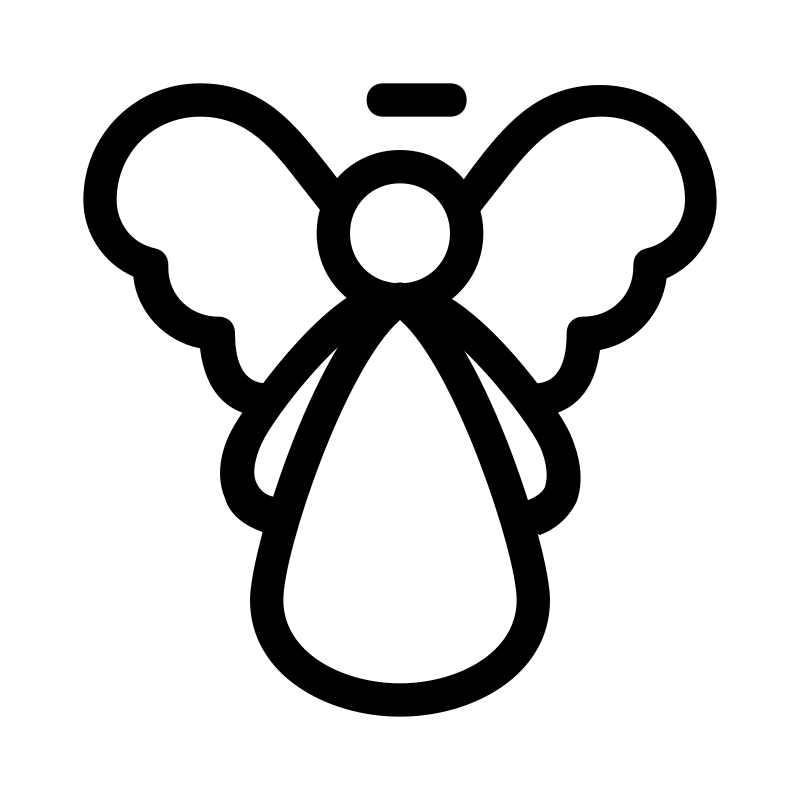
From the Greek angelos, “messenger.” Tradition numbers nine orders of angels, from the seraphim before the throne to the angels who attend to us.
The Peacock
An ancient symbol of eternal life: its flesh was believed never to decay. Early Christian art often sets the peacock beside the Tree of Life.
Why symbols endure
A symbol is not a substitute for faith, nor a thing to be venerated in itself. Its purpose is to point — to gather a great truth into a small and memorable shape, so that the eye, catching it in passing, may turn the heart toward God.
That is why these signs have outlasted empires. The fish drawn in the dust of a Roman street and the same fish on a car today say the very same thing. To learn the symbols of the faith is to be handed a quiet language that Christians have shared, across every century and every land, for two thousand years.